Valve Gaming Console 2026: The Steam Machine Reborn to Take on PS5 and Xbox
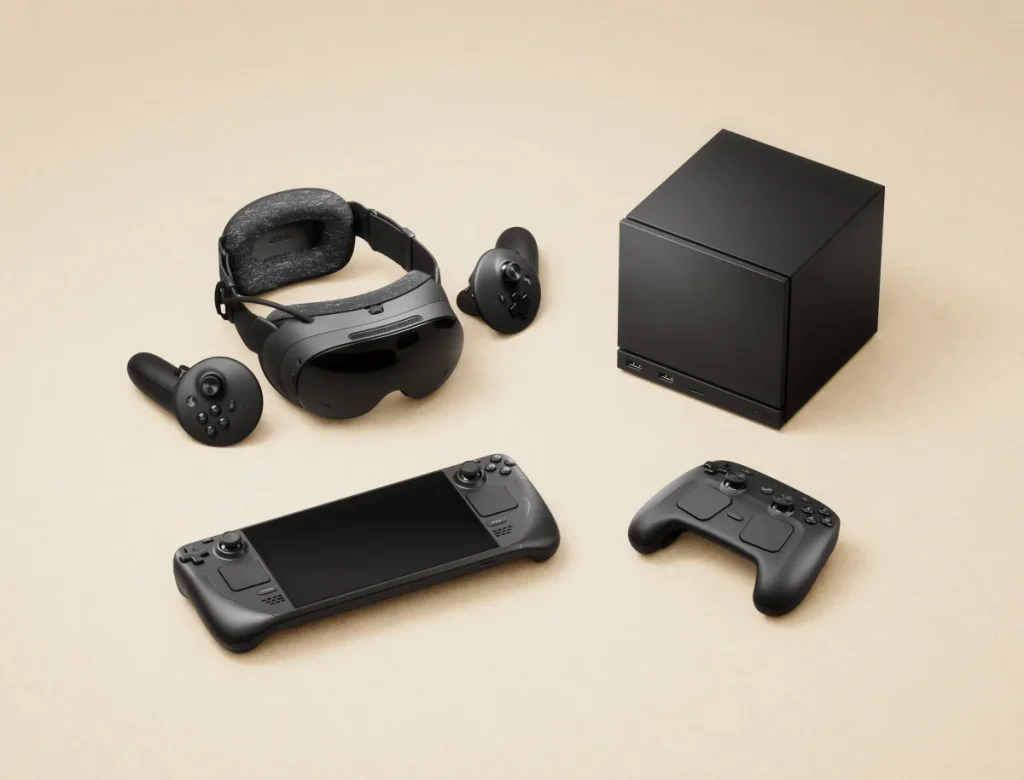
Thanks to countless updates from Valve for the Steam Deck, SteamOS has become impressively powerful over the past few years.
Valve Is Back and This Time, It’s Personal
Remember 2014’s Steam Machine experiment that fizzled out before it even began? Valve sure does and it’s returning to the console arena with something far more ambitious.
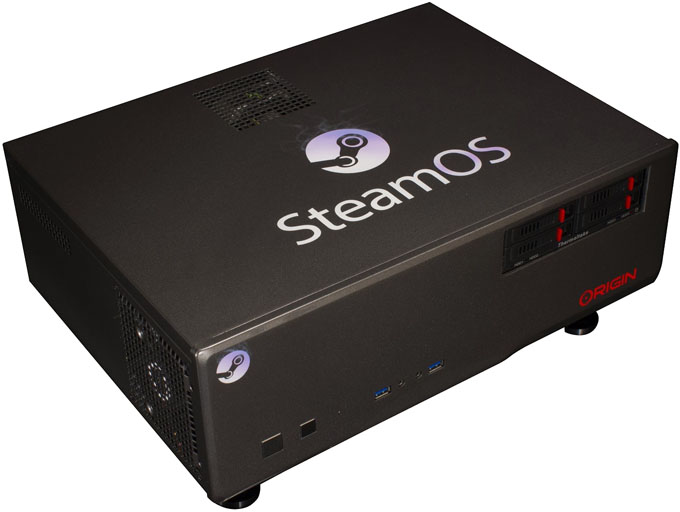
The Valve Gaming Console 2026 (unofficially dubbed the new Steam Machine) marks Valve’s second swing at redefining living room gaming. Powered by SteamOS, packed with modern AMD silicon, and built for both hardcore gamers and sofa loungers, this mini PC is more than just a comeback it’s a statement.
In an era where PlayStation and Xbox are playing it safe, and the industry is slowing down on hardware innovation, Valve is doing the unthinkable launching a new console in 2026.
So what makes this one different? Let’s unpack what could be the boldest move in PC gaming’s recent history.
💡 Why Valve Is Betting Big (Again)
While Sony and Microsoft are busy fine-tuning mid-gen refreshes, Valve is doubling down on innovation. After the runaway success of the Steam Deck, the company is leveraging that same momentum but this time for the living room.
Despite shrinking console profits and declining hardware sales across the board (Xbox down year-over-year, PlayStation only up 1% in playtime), Valve believes a flexible, open, and PC-powered ecosystem is the key to the next big shift.
Think of it this way: the new Steam Machine isn’t trying to replace your PS5 or gaming PC. It’s trying to bridge them offering a plug-and-play console that also gives you the freedom of a full Linux desktop when you want it.
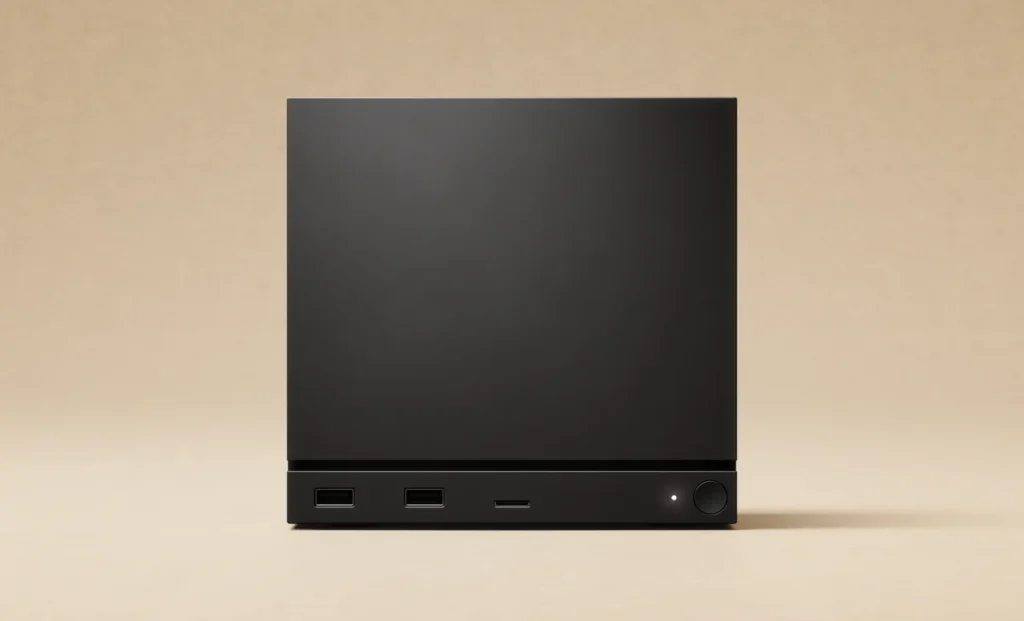
Valve Gaming Console 2026: Key Specifications
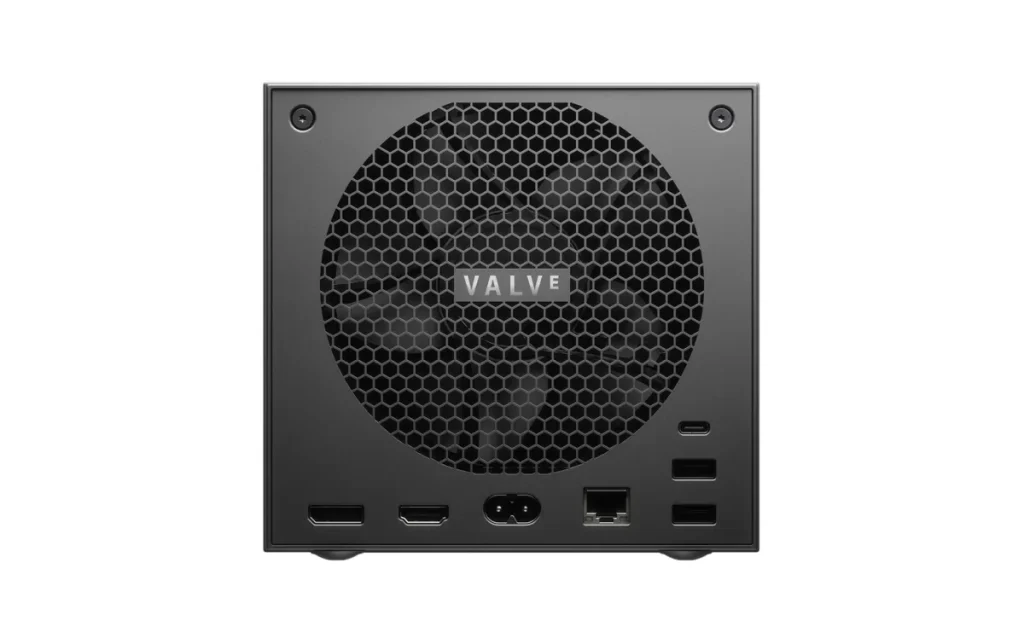
| Feature | Specifications |
|---|---|
| Models | 512GB and 2TB variants, optional Steam Controller bundle |
| CPU | AMD Zen 4, 6 cores / 12 threads, up to 4.8GHz |
| GPU | AMD RDNA 3, 28 Compute Units @ 2.45GHz, supports ray tracing & FSR |
| Performance | Comparable to PS5/Xbox Series X, 4K @ 60 FPS gaming |
| Memory | 16GB DDR5 + 8GB GDDR6 VRAM |
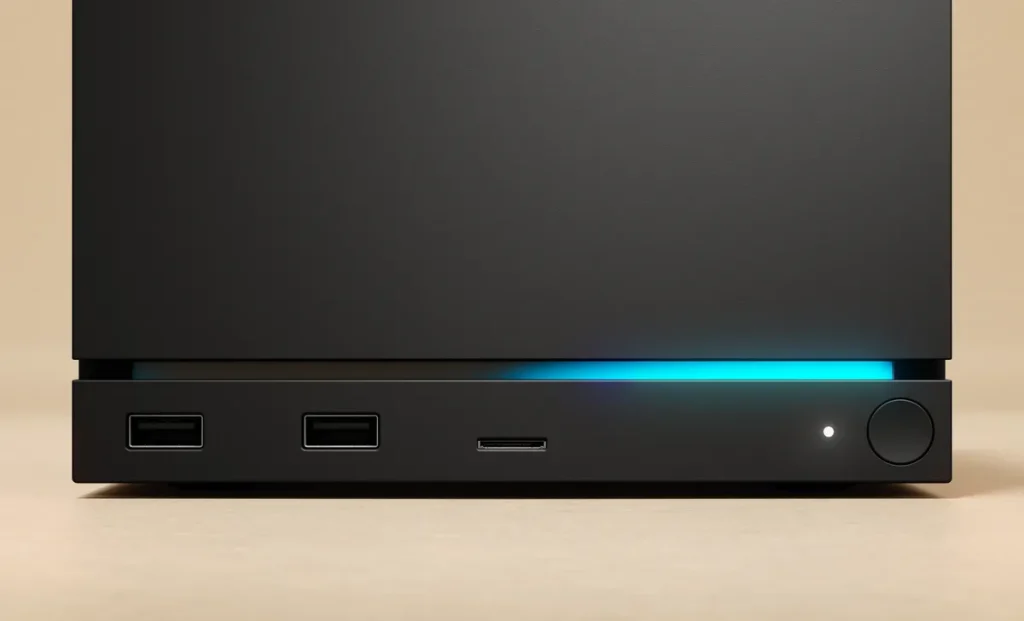
| Storage | 512GB or 2TB SSD, expandable via microSD |
| Display Output | DisplayPort 1.4 (8K @ 60Hz), HDMI 2.0 (4K @ 120Hz) |
| Networking | Ethernet 1Gbps, Wi-Fi 6E, Bluetooth support |
| USB Ports | 1× USB-C (10Gbps), 4× USB-A (2 front, 2 rear) |
| Power Supply | Internal PSU, 110–240V |
| OS | SteamOS (Linux-based), Steam Cloud, Suspend/Resume |
| Extras | RGB LED status bar, customizable colors |
| Launch Window | Spring 2026 |
| Price | TBD |
Valve claims this new model is “6x more powerful than the Steam Deck”, thanks to its upgraded Zen 4 CPU and RDNA 3 GPU combo. In raw performance, it’s designed to go head-to-head with current-gen consoles, delivering true 4K gaming with FSR upscaling.
🎮 Steam Controller 2.0 – A Real Upgrade
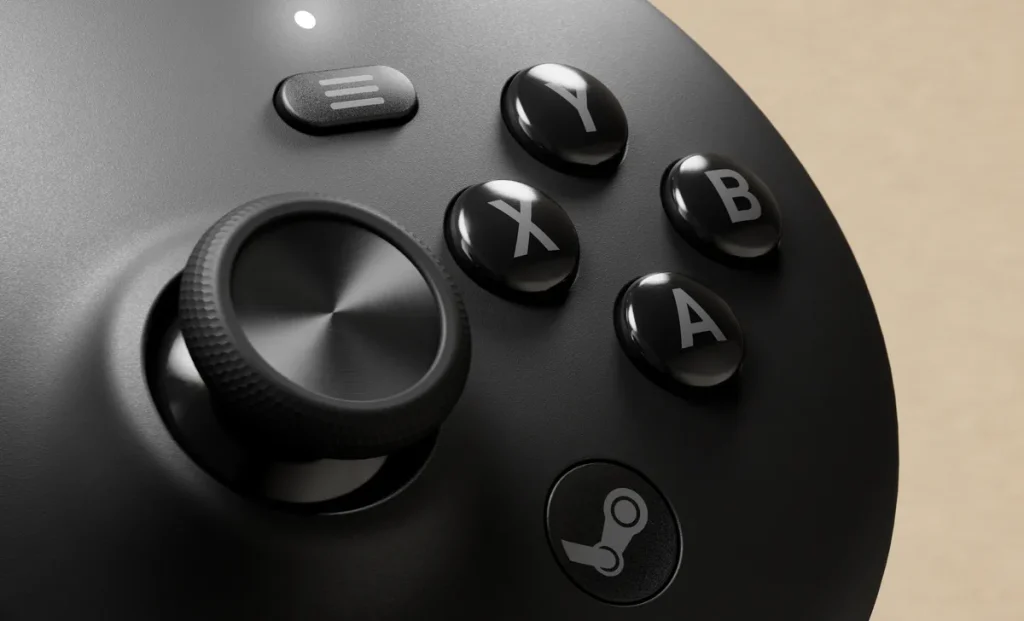
Valve isn’t stopping at the console. Alongside it, the company’s bringing back the Steam Controller, now reborn with cutting-edge features and ergonomic refinements.
| Feature | Specification |
|---|---|
| Compatibility | Works with Steam, Windows, macOS, Linux, Steam Deck, Steam Frame |
| Connectivity | Steam Puck (2.4GHz), Bluetooth, USB-C |
| Latency | ~8ms via Puck, up to 4 controllers per unit |
| Battery | Li-ion rechargeable (35+ hours per charge) |
| Charging | Via USB-C or Steam Puck dock |
| Thumbsticks | Magnetic TMR sticks (no drift), capacitive touch |
| Haptics | 4 LRA motors for HD feedback |
| Motion Control | 6-axis IMU + grip sensors |
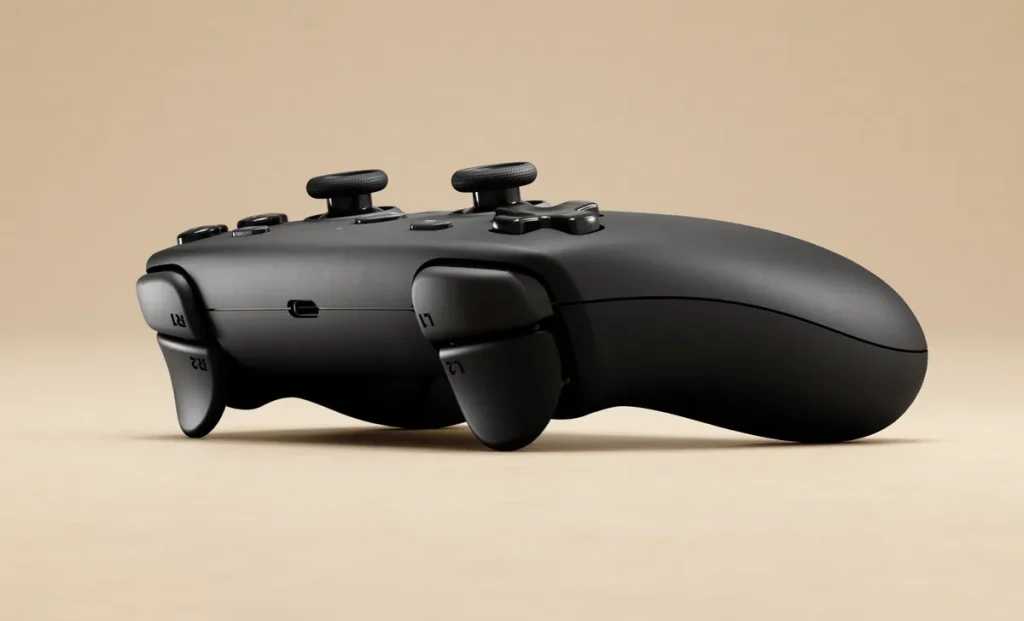
| Buttons & Layout | ABXY, D-pad, triggers, bumpers, 4 rear grip buttons |
| Trackpads | Dual haptic trackpads, pressure-sensitive click |
| Price | TBD |
The standout? Magnetic thumbsticks meaning no more analog drift, one of the biggest headaches of modern controllers. Add to that over 35 hours of battery life and customisable grip buttons, and it’s clear Valve wants to compete with premium controllers like Xbox Elite and DualSense Edge.
Under the Hood: Why It’s Different
Unlike a locked-down console, the Valve Gaming Console 2026 is open by design. You can exit SteamOS into a full Linux desktop, install apps, emulators, or even other game launchers like Battle.net, Epic, or Xbox Cloud Gaming.
That’s where the real magic lies freedom of choice.
However, there’s a catch. Because SteamOS relies on Proton (Valve’s Windows-to-Linux compatibility layer), some anti-cheat protected multiplayer titles — think Fortnite or Valorant may not run natively. But Valve has been rapidly improving Proton’s performance and compatibility, with more developers embracing Linux-friendly builds.
In short: the experience won’t be perfect for everyone, but for single-player and indie gamers, this could be heaven.
The Vision Behind Valve’s Move
There’s a deeper play here. Valve is quietly shaping a hardware ecosystem that mirrors what Apple did with its M-series Macs — an integrated yet open environment where software, hardware, and community thrive together.
By combining the Steam Deck, Steam Frame VR headset, and this new console, Valve is positioning itself as the third big player in gaming hardware, without needing proprietary exclusives.
Even more intriguing: rumors suggest that this upcoming hardware lineup could be designed with cloud gaming scalability in mind meaning Valve could be eyeing a future where hybrid local + cloud performance defines next-gen play.
The Living Room, Reimagined
Imagine your living room console booting straight into Steam’s massive library tens of thousands of titles ready to play, from indie hits to AAA monsters.
Unlike PS5 or Xbox, you can customize nearly everything: UI, mods, performance profiles, and even OS behavior. And thanks to Steam Cloud, your save files and game progress sync seamlessly across your PC, Steam Deck, and this console.
The promise? One unified gaming ecosystem where you decide how and where you play.
But It’s Not All Perfect
Even with all the buzz, the Valve Gaming Console 2026 faces some familiar challenges:
- Price sensitivity: Using Zen 4 and RDNA 3 chips might push pricing close to PS5 Pro levels.
- Software compatibility: Some popular online titles still struggle with Linux-based systems.
- Mainstream adoption: Casual gamers may find Windows-based PCs or traditional consoles simpler.
Still, Valve’s track record especially after the Steam Deck’s success proves it can build hardware that wins people over through polish, community, and raw performance-per-dollar.
What Comes Next
Valve hasn’t confirmed pricing yet, but all signs point to a Spring 2026 global launch. Industry insiders believe pricing could start around $499 for the base model, though the 2TB variant and controller bundle may stretch closer to $699.
If Valve can iron out the few software kinks and maintain affordability, this might be the most disruptive console since the original Xbox.
Final Thoughts
The Valve Gaming Console 2026 feels like more than just a new piece of hardware it’s a declaration that the PC gaming revolution isn’t confined to desks anymore.
Yes, it’ll face steep competition, but Valve’s advantage lies in openness. You’re not buying into a walled garden you’re stepping into a living ecosystem that keeps evolving with you.
Whether you’re a hardcore gamer, a tech enthusiast, or just someone tired of console restrictions, the new Steam Machine might just be the bridge between worlds we’ve all been waiting for.
About The Author