OnePlus 15 Review: Hype vs. Reality – A Performance Beast Held Back by Thermal Issues

The OnePlus 15 has arrived with considerable anticipation, largely fueled by its introduction of the new Snapdragon 8 Elite Gen 5 chipset—one of the most powerful mobile processors currently available. On paper, this device promises exceptional performance, improved efficiency, and a flagship-grade user experience. However, real-world testing can sometimes tell a different story, and that is precisely what we discovered.
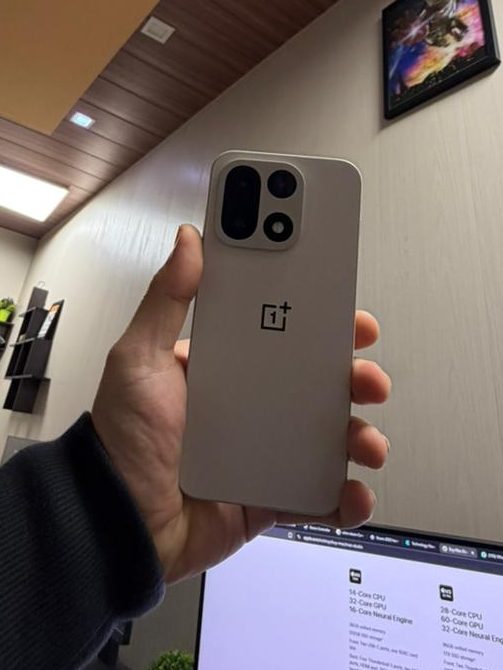
Despite entering the market with immense hype, the OnePlus 15 exhibits serious thermal management and stability concerns, raising questions about whether the device was adequately tested before launch.
The Hype Surrounding OnePlus 15
The smartphone community had high expectations for the OnePlus 15. The combination of a premium design, cutting-edge chipset, and software optimizations created a narrative that OnePlus was ready to reclaim its position among the top-performing flagship manufacturers.
Tech enthusiasts, reviewers, and OnePlus loyalists looked forward to:
- Consistent high-end performance
- Better temperature control
- Longer sustained GPU output
- Improved power efficiency
- A smooth gaming and multitasking experience
However, expectations do not always align with results. Our detailed testing revealed that the device struggles under heavy workloads, especially in extreme performance scenarios.
Testing the OnePlus 15: 3DMark Extreme Stress Test
To evaluate the actual performance capabilities of the device, we conducted the 3DMark Extreme Stress Test, a widely used benchmark to measure GPU stability and thermal throttling under prolonged heavy load.
The stress test is designed to run multiple loops that push the CPU and GPU to their limits. Ideally, a flagship phone should maintain a stable performance curve throughout the test. Unfortunately, this was not the case with the OnePlus 15.
Key Observations:
- Rapid Temperature Rise:
Despite the room temperature being a cool 18–19°C, the phone heated up excessively within minutes. - Performance Drop:
Instead of sustaining high scores, the device exhibited significant performance dips as the test progressed. - System Failure:
In extreme conditions, the phone became so hot that it stopped functioning temporarily and shut down sections of the workload—something no flagship device should do, especially one marketed for high performance.
Why Did This Happen?
The Snapdragon 8 Elite Gen 5 is undoubtedly powerful, but power also comes with heat. It is the responsibility of the manufacturer to ensure that the device includes effective thermal solutions—both hardware and software—that prevent overheating without compromising long-term performance.
Based on our testing and observations, the OnePlus 15 appears to lack:
- Adequate internal cooling mechanisms
- Aggressive thermal management software
- Proper heat dissipation during strenuous GPU tasks
These issues suggest that the device may not have undergone rigorous pre-launch endurance testing, or at the very least, not to the level required for an “Extreme Performance” flagship smartphone.
Was the Hype Justified?
The hype surrounding the OnePlus 15 was undoubtedly strong—largely due to the potential of the Snapdragon 8 Elite Gen 5 chipset. However, a powerful chipset alone cannot compensate for poor thermal optimization. While the phone performs exceptionally well in short bursts and everyday tasks, its inability to remain stable during long-duration stress testing is a major drawback.
Consumers expecting a top-tier gaming or heavy multitasking experience may feel disappointed, especially when the device fails tests even in cooler environmental conditions.
Final Verdict
The OnePlus 15 showcases immense potential, boasting a cutting-edge chipset and promising flagship-level specifications. However, its current thermal performance issues raise a significant red flag. A device meant to redefine smartphone performance should not struggle—or fail—during standardized stress tests.
For OnePlus, this should serve as an important reminder: before launching a flagship device, thorough testing and optimization are not optional—they are essential.
About The Author