Valve Delays Steam Machine Pricing as RAM Crisis Throws PC Market Into Chaos
Valve has delayed Steam Machine and Steam Frame pricing as a global RAM shortage disrupts PC hardware costs. Here’s what it means for gamers in 2026.
Why Everyone’s Waiting on Valve and Why It Suddenly Got Complicated
What happens when a highly anticipated gaming console collides head-on with one of the worst hardware shortages the PC industry has seen in years?
That’s exactly the position Valve finds itself in right now.
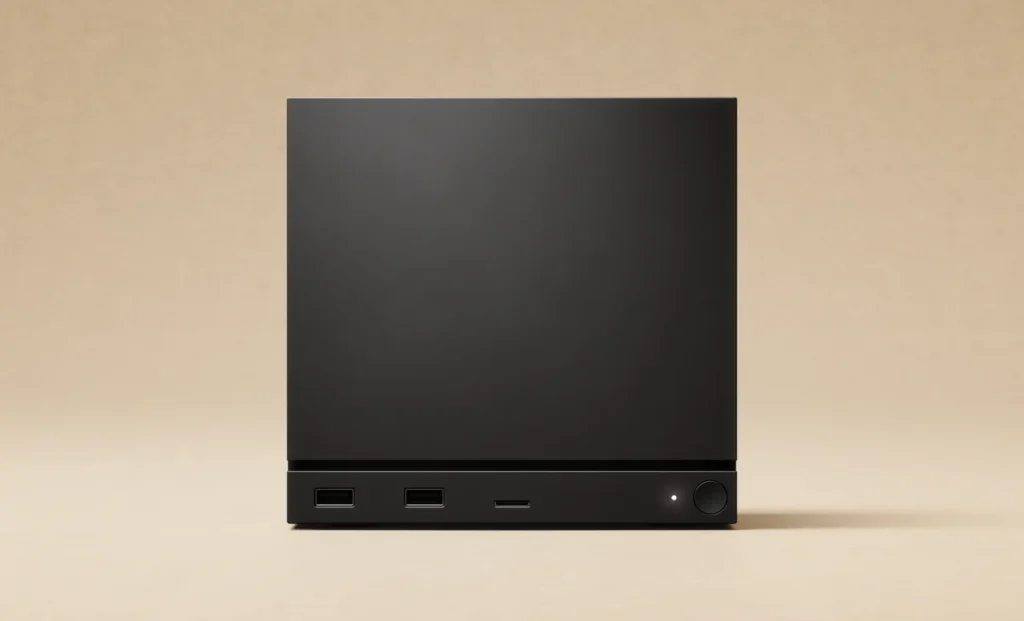
Back in November 2025, when Valve finally pulled the curtain back on the Steam Machine and Steam Frame, the mood was optimistic. Gamers assumed a smooth Q1 2026 rollout. Analysts expected pricing to land soon. And if you’re like most PC enthusiasts, you probably started doing mental math “Okay, can I justify this over building a PC?”
Fast-forward to today, and that clarity has vanished.
Valve has officially confirmed that it’s delaying its pricing and launch details, citing a rapidly worsening memory and storage shortage. And this isn’t some minor supply hiccup—it’s a full-blown industry squeeze driven by AI data centers hoovering up DRAM, NAND, and high-bandwidth memory at an unprecedented pace.
If you’ve noticed RAM prices creeping up or SSD deals quietly disappearing, you’re already feeling the ripple effects. Valve just happens to be one of the first major gaming players to publicly admit: this mess changes everything.
In this article, we’ll unpack why Valve hit pause, how the RAM crisis is reshaping PC pricing, what leaked Steam Machine prices really mean, and most importantly—what you should realistically expect next.
Valve’s Official Word: “We Have to Revisit Everything”
Valve didn’t mince words in its latest Steam Hardware blog update.
When the company announced the Steam Machine lineup last year, it fully expected to share pricing and launch dates by now. That plan fell apart as memory shortages accelerated far faster than anyone predicted.
According to Valve, limited availability and sharply rising costs for critical components—especially RAM and storage—have forced the company to reassess both shipping timelines and retail pricing for the Steam Machine and Steam Frame.
In plain English?
The numbers they originally penciled in no longer make sense.
And Valve isn’t alone here. Across the PC ecosystem, manufacturers and system integrators are quietly (and sometimes loudly) adjusting prices just to stay afloat.
The Real Villain: AI Data Centers and the Memory Gold Rush
If you’re wondering how AI fits into all of this, here’s the uncomfortable truth.
Modern AI models are memory-hungry beasts. Training and running them at scale requires enormous quantities of HBM, DRAM, and NAND, and cloud giants are paying top dollar to secure supply. That demand is squeezing everyone else out—especially consumer hardware makers.
The result?
- RAM kits are more expensive
- SSD prices are climbing again
- Discrete GPUs are harder to price competitively
- Smaller buyers struggle to even get allocation
One memory industry insider summed it up bluntly: “Relationships with memory suppliers matter in a crunch.” If you don’t have deep pockets or long-term contracts, you’re at the back of the line.
That’s a problem for Valve.
Why Valve Feels This More Than Asus or Dell
Yes, Valve successfully revived handheld PC gaming with the Steam Deck. But in manufacturing terms, Valve is still a niche player compared to giants like Asus, Dell, or HP.
Those companies:
- Buy components at massive scale
- Have long-standing supplier leverage
- Can absorb price hikes—or pass them on gradually
Valve doesn’t have that same cushion.
And since the company has already stated it won’t subsidize the Steam Machine, every spike in RAM or SSD pricing hits the final product directly.
Before the memory market went sideways, insiders expected the Steam Machine to land somewhere around $550–$600, roughly in line with an entry-level gaming PC.
Today? That estimate feels optimistic.
Leaks, Rumors, and the $1,000 Question
Recent leaks from a third-party retailer suggest a Steam Machine 1TB variant priced north of $1,000. Valve hasn’t confirmed this, and it’s important to treat the figure cautiously.
Still, the number isn’t as shocking as it would’ve been six months ago.
With DRAM and NAND prices climbing, SSDs and GPUs becoming more expensive, and logistics costs still unstable, a four-figure Steam Machine suddenly feels… plausible.
Not guaranteed—but plausible.
That uncertainty is exactly why Valve is holding back on pricing. Locking in numbers too early in this environment would be risky, if not reckless.
So When Will the Steam Machine Actually Launch?
Here’s the good news.
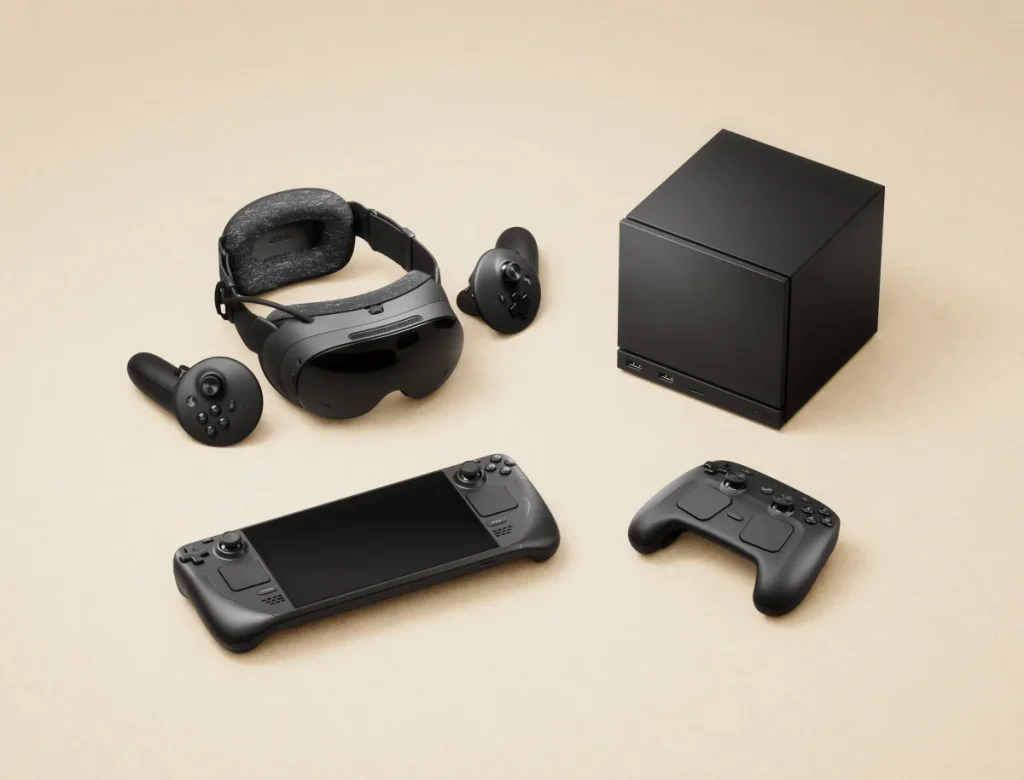
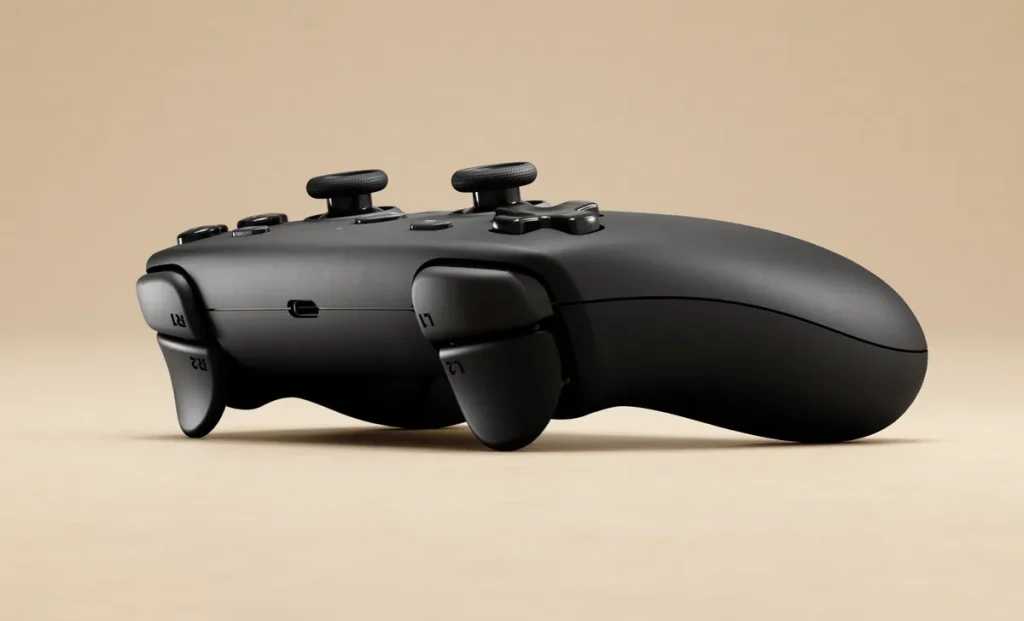
Valve maintains that all three products—the Steam Machine, Steam Frame, and Steam Controller—are still planned for the first half of 2026. The company is just being cautious about how fast conditions can change.
Adding weight to that optimism, AMD CEO Dr. Lisa Su recently stated during an earnings call that Valve is “on track to be shipping its AMD-powered Steam Machine early this year.”
In other words, the hardware is ready. The pricing math is what’s holding things up.
What This Means for Gamers Right Now
If you’re waiting to decide between:
- Buying a Steam Machine
- Building a small-form-factor PC
- Holding onto your current setup
…the smartest move right now is patience.
Pricing clarity is coming—it just won’t be rushed. And given the volatility of the memory market, waiting a few more weeks could mean the difference between a sensible purchase and serious buyer’s remorse.
The Bigger Picture: This Isn’t Just a Valve Problem
Valve’s delay is a symptom of a much larger shift in the PC industry.
AI isn’t just changing software—it’s reshaping hardware economics in real time. Memory, once a relatively predictable component, is now a strategic resource. And until supply catches up with AI demand, pricing instability is the new normal.
Valve is simply being honest about it.
Final Take: The Steam Machine Will Arrive—Just Not on Yesterday’s Terms
If there’s one takeaway here, it’s this: Valve hasn’t lost confidence in the Steam Machine. It’s protecting it.
By refusing to rush pricing in a distorted market, Valve is avoiding a launch that could alienate gamers or lock the product into unsustainable margins. That restraint might be frustrating—but it’s also smart.
So yes, you’ll have to wait a bit longer to see the final price tag. But when it does land, it’ll reflect reality—not wishful thinking.
And in today’s PC market, that honesty might be Valve’s biggest win.
- Valve Delays Steam Machine Pricing as RAM Crisis Throws PC Market Into Chaos
- LG OLED evo W6 Wallpaper TV Hands-On at CES 2026: Ultra-Thin, Wireless, and Surprisingly Affordable
- ASUS Introduces Next-Generation Ultra-Small-Form-Factor PCs at CES 2026
- ASUS Unveils New AI PC Lineup at CES 2026, Led by Dual-Screen Zenbook DUO and ProArt GoPro Edition
- ASUS Unveils ExpertBook P3 G2 for Modern Business Professionals
About The Author